A Brief Historical Background
Although many details about its origin remain uncertain, most historians agree that Choquequirao meaning “Cradle of Gold” in Quechua—was built during the late 15th century under the rule of the Inca emperor Tupac Inca Yupanqui. Later, it became an important refuge during the final years of the Inca resistance, especially during the conflicts with Spanish forces in the 16th century.
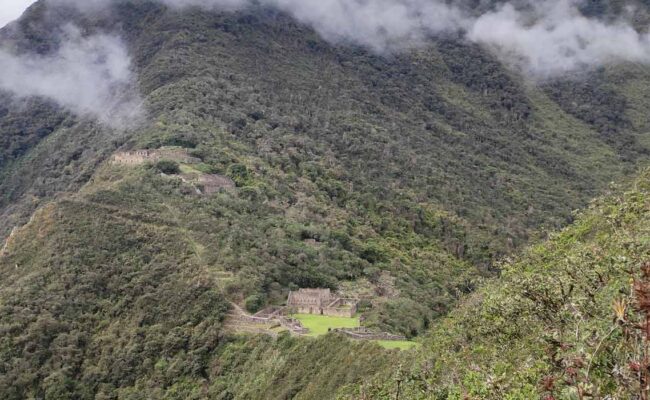
The complex served multiple purposes: it was a political center, a religious sanctuary, a checkpoint for controlling access to the Vilcabamba region, and possibly an estate associated with Inca nobility. Its strategic location above the Apurímac Canyon allowed the Incas to monitor important routes that connected the high Andes with the tropical lowlands.
Despite its significance, Choquequirao slowly fell into obscurity after the Spanish invasion. Over time, vegetation reclaimed the terraces and plazas, leaving the citadel hidden for centuries.
Rediscovery and Archaeological Exploration
Like many Inca sites that disappeared beneath dense vegetation, Choquequirao was not truly rediscovered until the 18th and 19th centuries. Several explorers, including Spanish chroniclers and later foreign travelers, mentioned its presence, but serious archaeological work did not begin until the late 20th century.
Peruvian archaeologists started large-scale restoration and conservation efforts in the 1990s. Since then, only about 30–40% of the complex has been uncovered. A large portion still lies hidden beneath thick cloud forest, giving modern visitors the unique sensation of walking through a site that is still being reclaimed from nature.
Location: Deep in the Apurímac Canyon
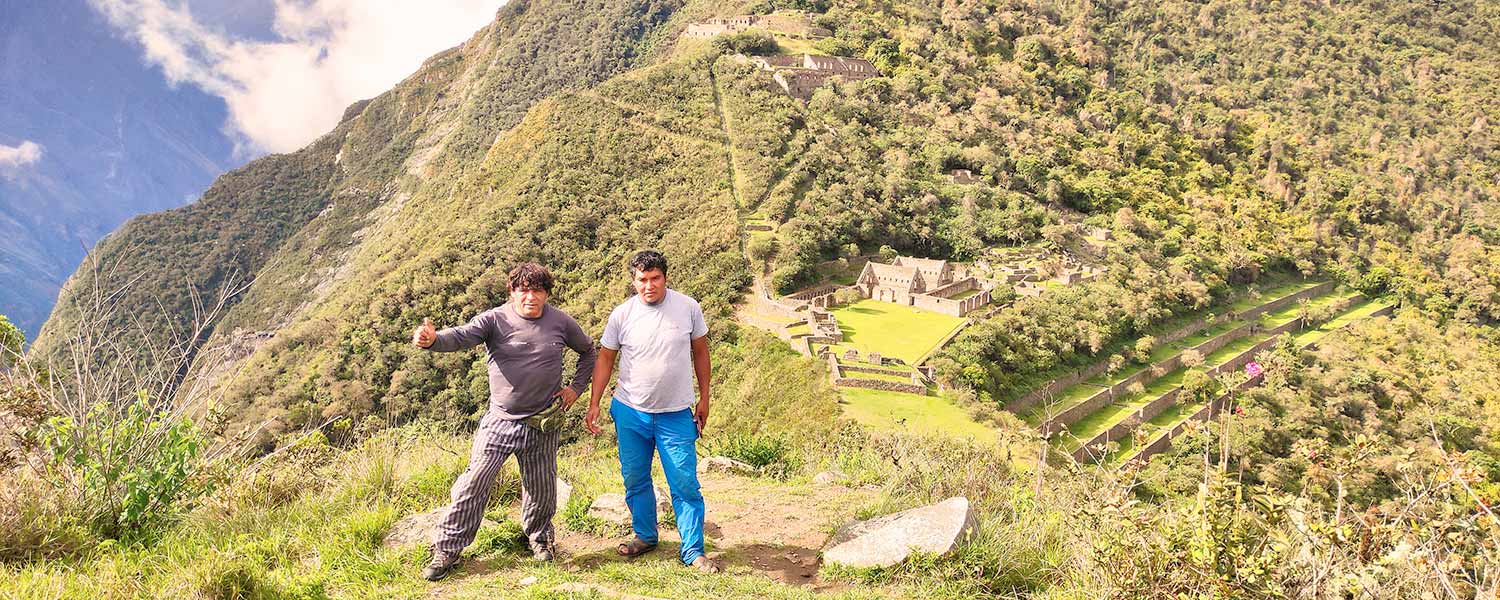
Choquequirao is located in the Vilcabamba mountain range, straddling the border of the Cusco and Apurímac regions.
Its position is one of the most dramatic of any Inca site:
- Altitude: approximately 3,050 meters (10,000 feet) above sea level
- Canyon depth: overlooks the Apurímac Canyon, one of the deepest canyons in the world
- Distance from Cusco: roughly 100 km (62 miles) southwest
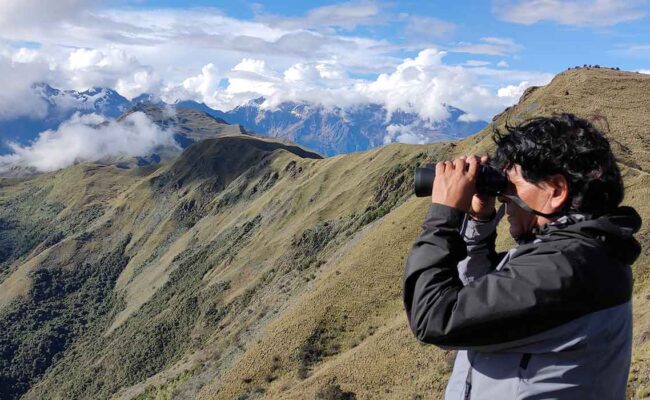
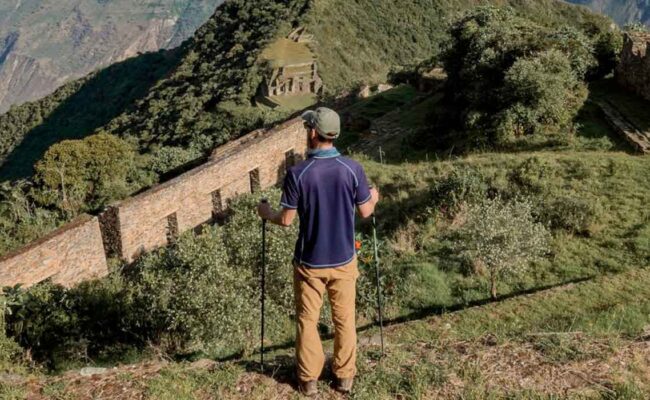
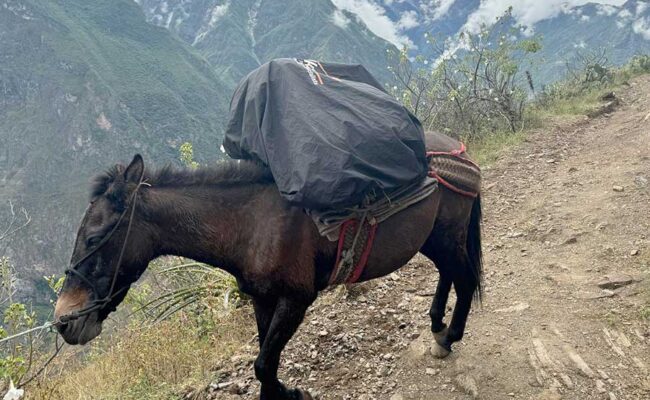
Reaching Choquequirao requires a demanding trek because there is no road access. The most common route begins in Capuliyoc, descending steeply into the canyon before climbing again to reach the ruins.
Architectural Highlights
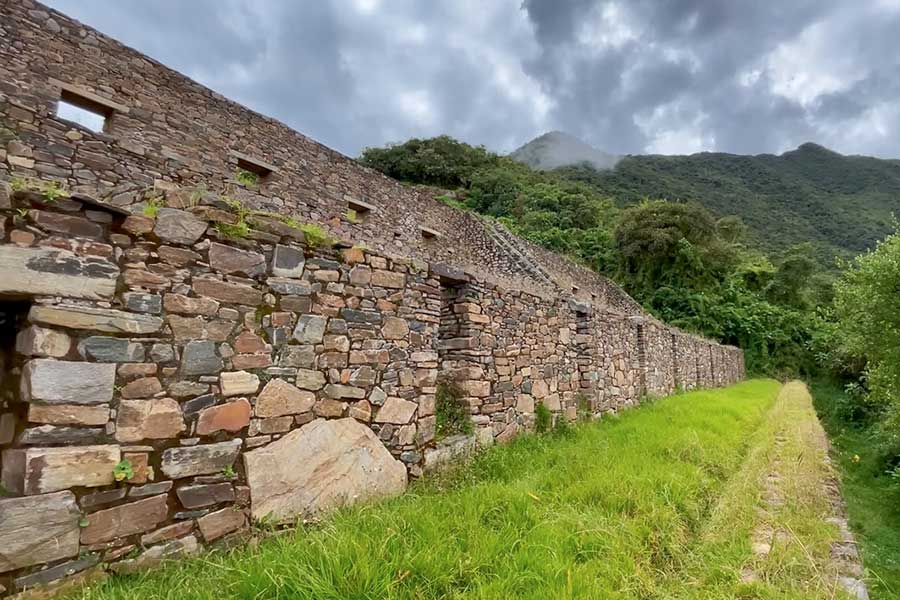
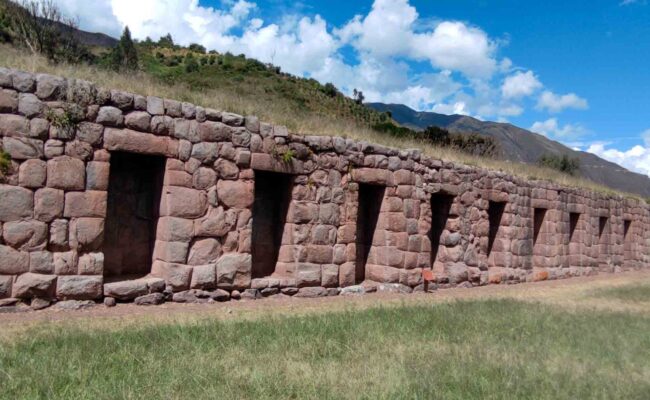
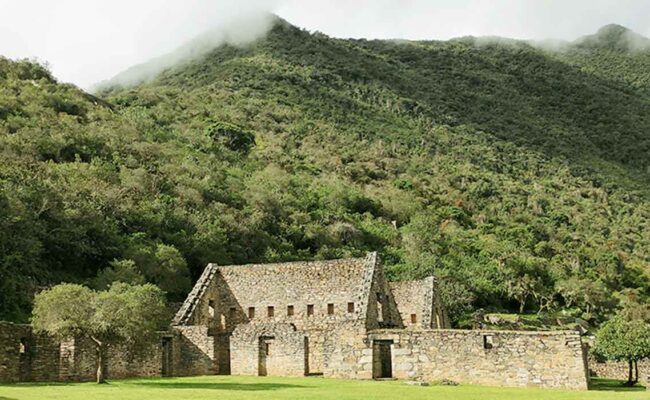
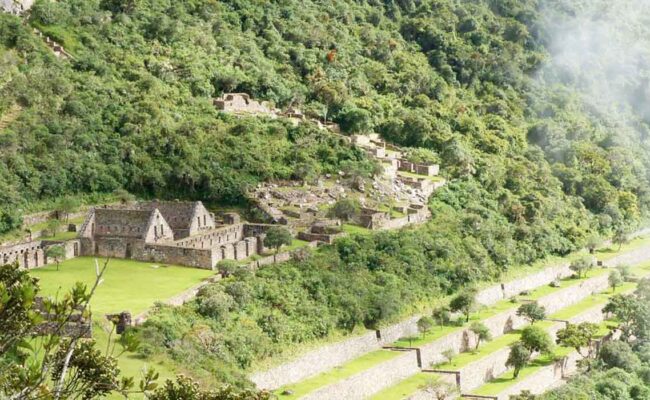
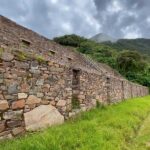
Choquequirao showcases classic Inca architectural techniques, including polished stone walls, symmetric structures, and agricultural terraces that cling to steep mountain slopes. The complex is divided into distinct sectors:
- Main Plaza
A large ceremonial and administrative area surrounded by temples, storage houses, and residential buildings.
- Agricultural Terraces
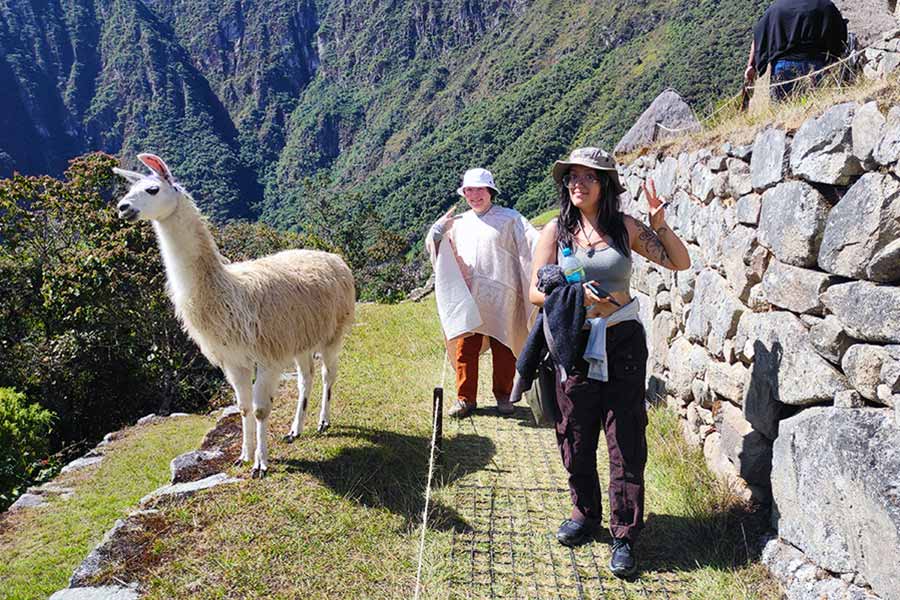
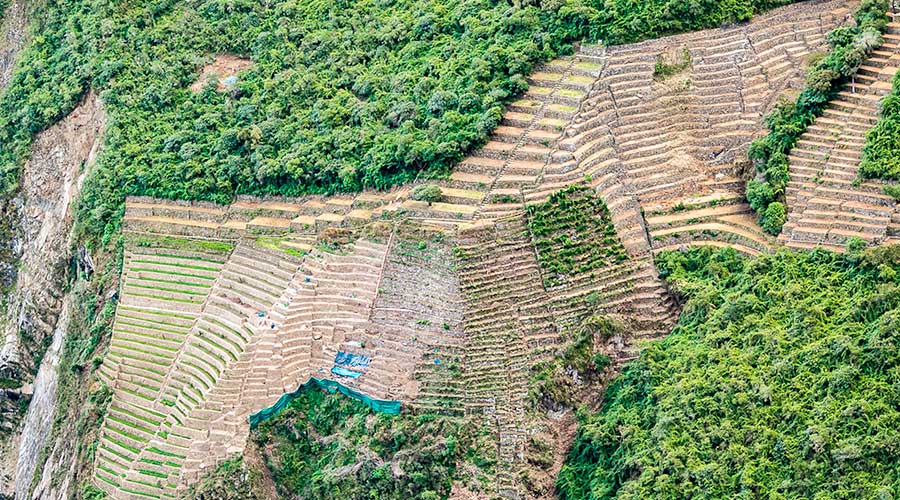
Hundreds of terraces built to grow crops at high altitude. Some terraces feature white stone llama figures, a unique artistic touch not found in most Inca sites.
- Ceremonial Platforms (Ushnu)
Raised platforms used for ritual activities and astronomical observations.
- Religious and Astronomical Zones
Structures aligned with the movements of the sun and stars, reflecting the Incas’ deep connection to astronomy and agriculture.
- Residential and Administrative Areas
Living quarters, storage buildings, workshops, and paths that once connected Choquequirao to other parts of the empire.
Strategic and Cultural Importance
Choquequirao played an essential role in the last chapter of the Inca Empire. When the Spanish conquered Cusco, the remaining Inca leaders retreated westward into the Vilcabamba region. Choquequirao became a refuge and a gateway to the final Inca stronghold.
Its remote location allowed the Incas to maintain control over the region and protect the routes between the Andes and the Amazon. This strategic role is one reason why Choquequirao is often associated with the final resistance of the Inca state.
Why Choquequirao Remains So Untouched
Unlike Machu Picchu, which is accessible by train, Choquequirao can only be reached on foot. This isolation is what has preserved its atmosphere of mystery. Visitors often describe the experience as walking through an archaeological site that still feels alive, untouched, and raw.
The demanding trek—steep climbs, changing climates, and remote terrain—means that Choquequirao receives only a small number of visitors each day. This has helped maintain the site’s authenticity and prevented the mass tourism that affects other popular destinations.
A Living Legacy of the Andes
Choquequirao is more than just an archaeological site; it is a living testament to Inca engineering, resilience, and spiritual connection with the mountains. Its terraces, plazas, and ceremonial structures offer profound insight into how the Incas organized society, cultivated the land, and worshipped nature.
For travelers willing to make the journey, Choquequirao offers an experience unlike any other in Peru: a blend of history, adventure, isolation, and awe-inspiring landscapes.
.

 English
 Dutch
Dutch Japanese
 Korean
 Chinese